
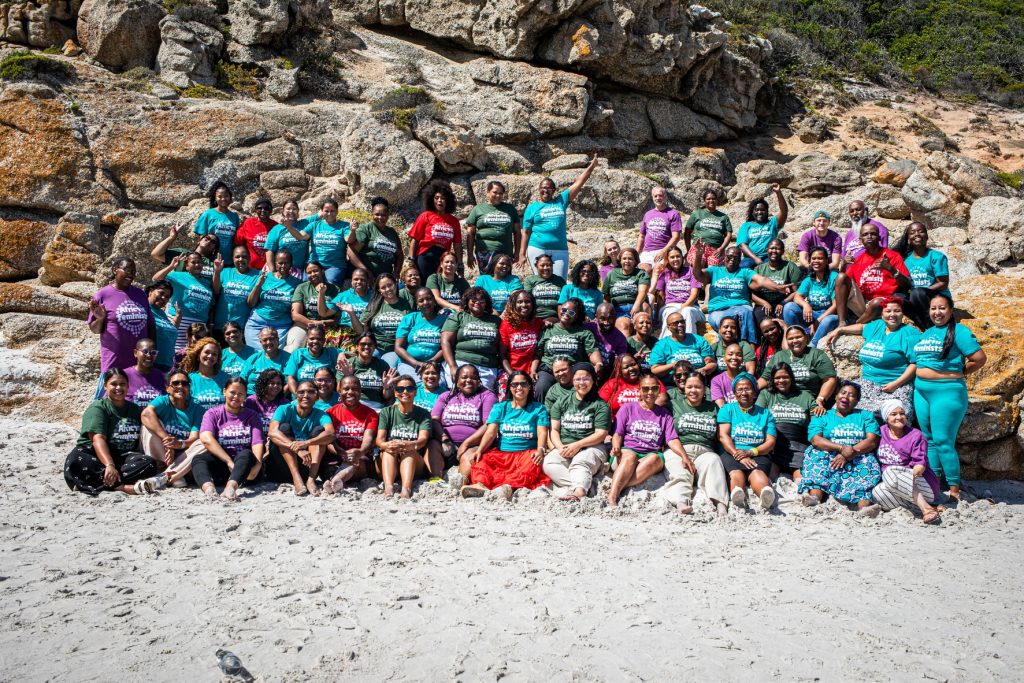
MOSAIC’s Theory of Change and Scaling Vision
Across South Africa, gender-based violence continues to shape the lives of women and children in profound and devastating ways. For many survivors, violence occurs within intimate relationships and homes, spaces that should offer safety. Too often, they must navigate systems that are fragmented, under-resourced, and difficult to access.
At MOSAIC, we believe that this reality is not inevitable. It can be transformed.
Our vision is of a more gender-equal society where women and children are safe from abuse and violence, in their relationships, homes, and communities. By 2035, we aim to see domestic and intimate partner violence significantly reduced across South Africa, supported by survivor-centred systems that uphold safety, dignity, and justice.
Our Theory of Change: From Crisis to Long-Term Safety
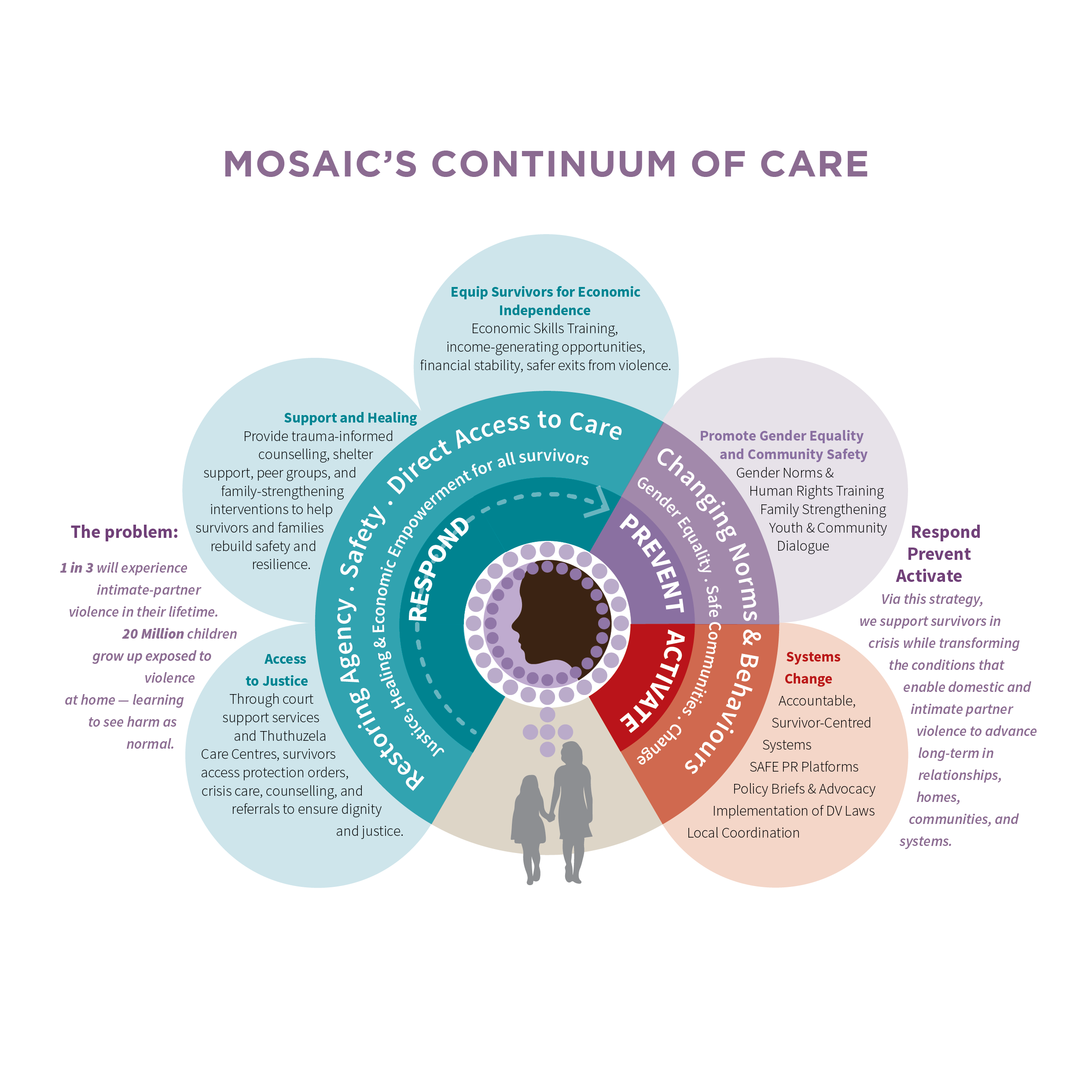
MOSAIC’s approach is grounded in a simple but powerful insight: survivors need more than a single intervention. They need a coordinated ecosystem of support that enables healing, protection, justice, and economic independence.
We work across four interconnected pillars:
- Respond: Meeting Survivors Where They Are
We provide immediate, trauma-informed support to survivors through counselling, court support, and safe access points. Our services restore survivor agency, helping women make informed decisions about their safety and futures.
- Prevent: Transforming Norms and Breaking Cycles
Violence is sustained by harmful gender norms and inequality. We work with children, families, and communities to shift attitudes, build emotional skills, and promote respectful relationships to interrupting cycles of violence before they begin.
- Activate: Strengthening Systems and Accountability
We collaborate with government and civil society to improve how institutions respond to violence. Through initiatives like SAFE platforms, we strengthen coordination, accountability, and survivor-centred standards across the system.
- Economic Empowerment: Enabling Sustainable Exits from Violence
We support survivors to rebuild their lives through economic independence by equipping them with skills, opportunities, and pathways to long-term stability and financial independence.
Together, these pillars create a continuum of care that supports survivors not only in moments of crisis, but throughout their journey toward healing, justice, and independence.
The Challenge We Are Solving
South Africa faces one of the highest rates of gender-based violence globally. One in three women experience physical violence in their lifetime, and millions of children are exposed to violence in their homes.
Survivors often encounter:
- Fragmented and inaccessible services
- Limited economic options to leave abusive relationships
- Weak coordination across institutions
- Deeply entrenched gender inequality
This is not just a service delivery gap; it is a systems failure. Addressing it requires coordinated, long-term investment.
Scaling What Works: Our 2026 Strategy
As we look toward 2026, MOSAIC is focused on scaling proven solutions that strengthen safety, justice, and long-term healing.
Our priorities include:
- Scaling Court Support Services
Expanding access so more survivors can safely obtain protection orders and navigate the justice system with confidence. - Strengthening the Continuum of Care
Deepening integration across services—linking counselling, justice, prevention, and long-term support into a seamless survivor journey. - Expanding SAFE Platforms
Building stronger collaboration and accountability across institutions responding to domestic and intimate partner violence. - Advancing Prevention Through Education
Scaling gender-transformative programmes with children, families, and communities to prevent violence before it occurs.
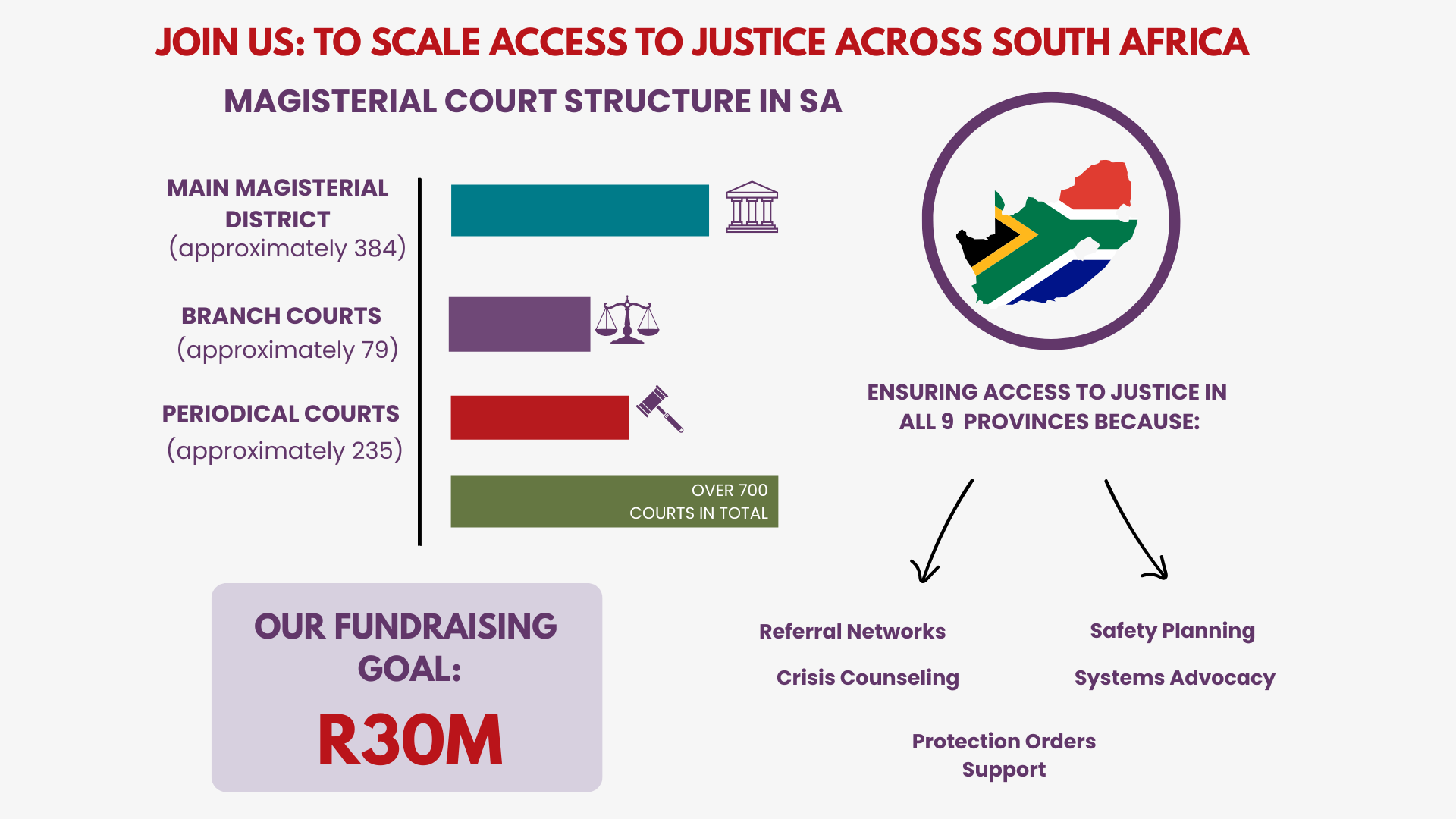
These efforts are designed not just to grow programmes, but to strengthen systems, ensuring sustainable, long-term impact.
Scaling Survivor Economic Justice: Pieces to Peace
A critical part of our scaling vision is Pieces to Peace, our social enterprise model supporting survivors’ economic independence.
We are entering a new phase of growth that includes:
- Strengthening production capacity and product development
- Expanding partnerships and access to markets
- Providing training in marketing, financial management, and contracting
- Developing models for survivor participation and leadership
Our long-term vision is to grow Pieces to Peace into a sustainable, survivor-led enterprise where women move from healing to economic independence, and from independence to leadership.
Why Investment Matters Now
MOSAIC’s model is proven. We know what works. The opportunity now is to scale it.
Investment from donors and funders will enable us to:
- Reach more survivors with integrated, high-quality support
- Strengthen national systems for survivor-centred justice
- Expand prevention efforts to shift norms at scale
- Build sustainable pathways to economic independence
This is not short-term relief it is long-term systems change.
Partnering for Impact
Ending domestic and intimate-partner violence requires collective action. We are working alongside government, civil society, and communities, but scaling this vision requires bold partnerships with funders who are committed to systemic change.
Together, we can build a future where:
- Survivors access justice without barriers
- Communities actively reject violence
- Systems are accountable and coordinated
- Women and children live safely, with dignity and opportunity
Join us in building a future of survivor-led justice.


